

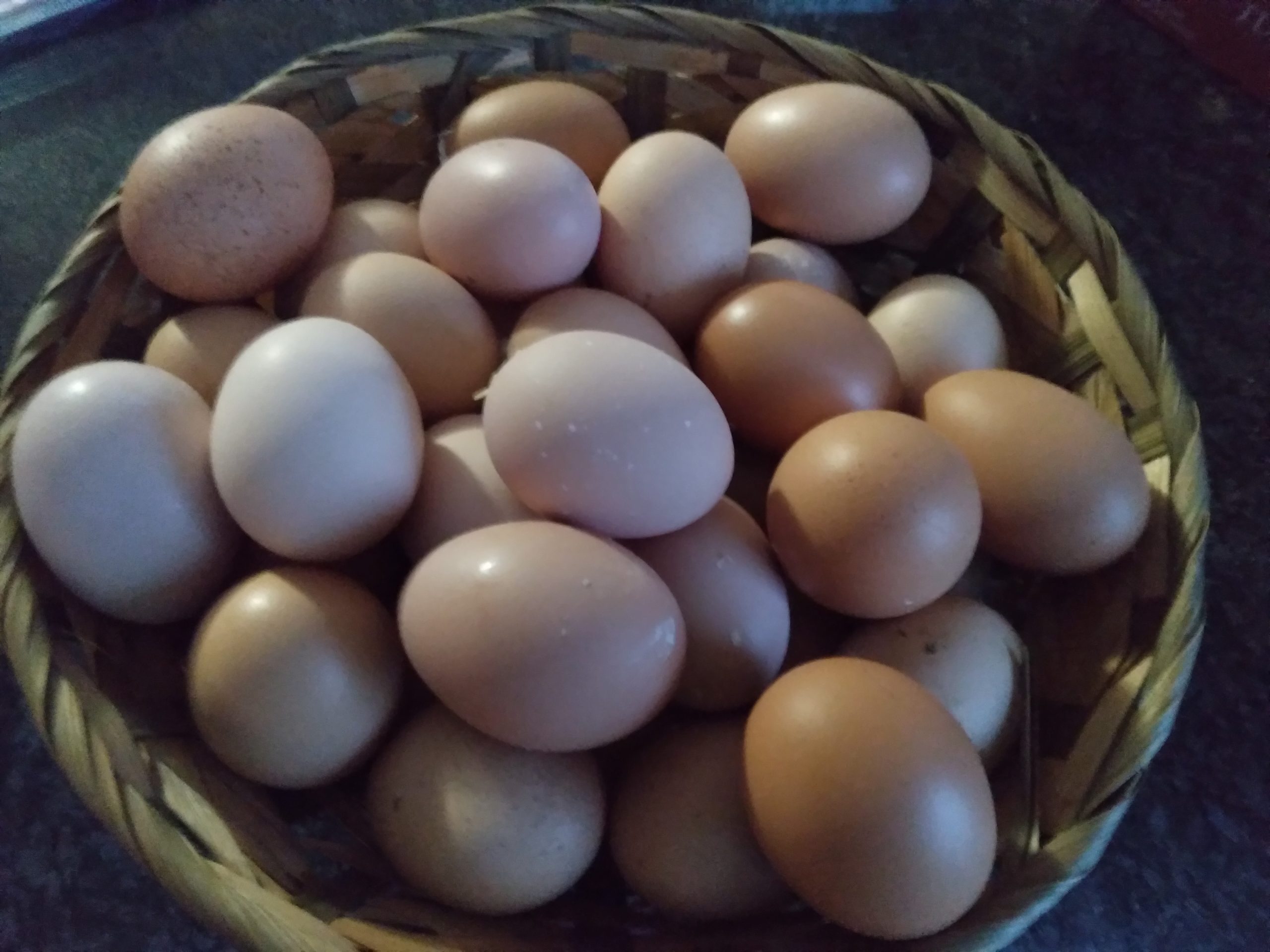
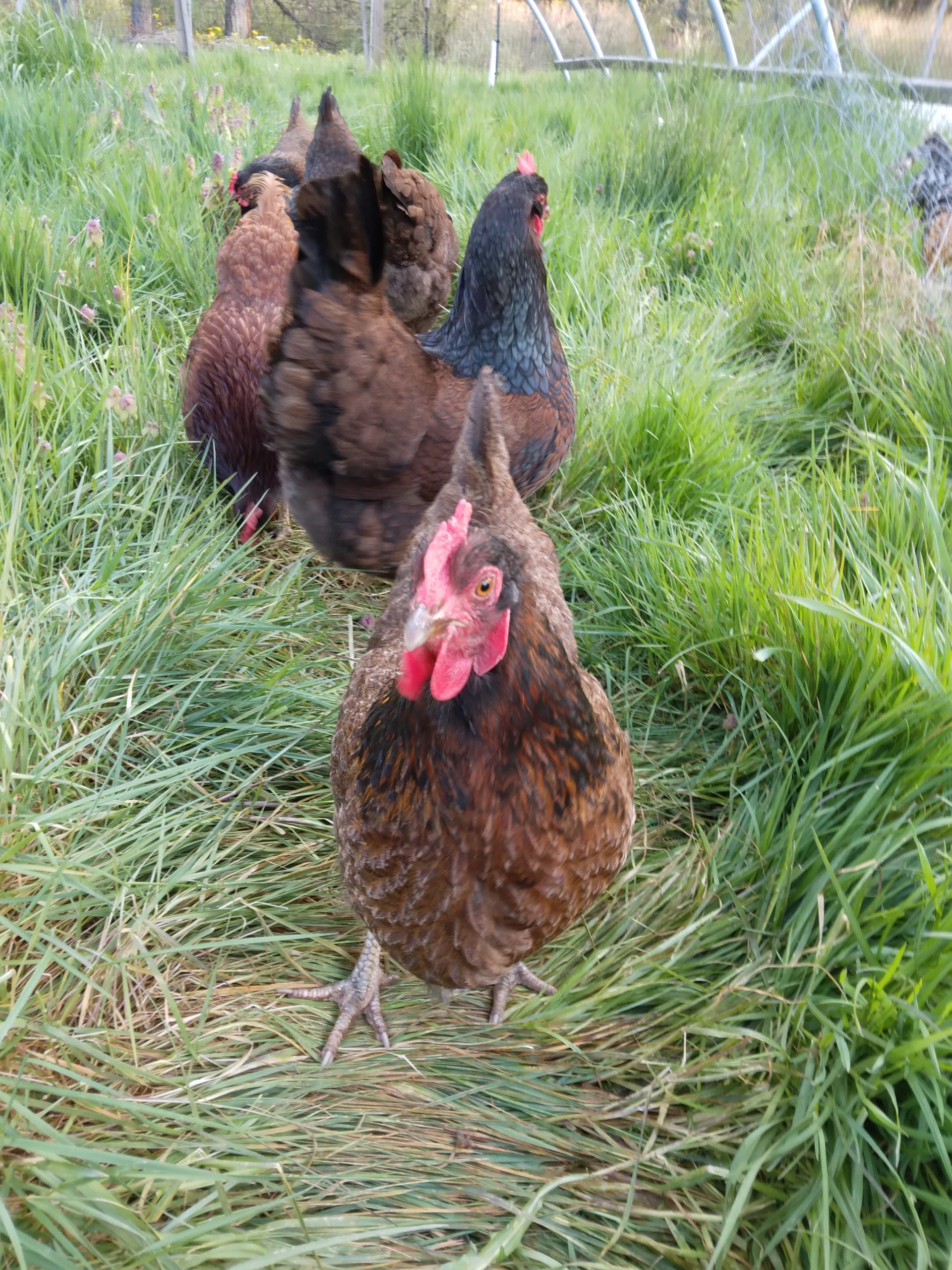

Description
Pastured eggs, like those produced by our hens, offer significant benefits in terms of nutrition, taste, sustainability, and animal welfare. Here’s a breakdown of why pastured eggs stand out:
1. Superior Nutrition
Pastured eggs are known to be nutritionally superior to conventional eggs due to the diverse, natural diet of free-ranging hens. Studies have shown that pastured eggs contain:
Higher Omega-3 Fatty Acids – Essential for brain health, reducing inflammation, and supporting heart function.
Increased Vitamin A and E – Important for vision, skin health, and immune function.
More Beta-Carotene – Gives yolks their deep golden hue and provides antioxidant benefits.
Higher Levels of Vitamin D – Essential for bone health and immune function, thanks to the hens’ exposure to natural sunlight.
Lower Cholesterol and Saturated Fat – Compared to conventional eggs, pastured eggs may contain a better balance of fats.
2. Exceptional Taste and Quality
The diet of a pastured hen—consisting of fresh grass, seeds, insects, and worms—contributes to:
Rich, Creamy Yolks – The deep, golden-orange yolks have a robust flavor that enhances cooking and baking.
Firm, Springy Whites – Higher protein content leads to better texture, making pastured eggs ideal for whipping into meringues or scrambled eggs.
A More Distinct, Natural Flavor – Unlike commercial eggs, pastured eggs have a rich and slightly buttery taste due to the hens’ varied diet.
3. Ethical and Sustainable Farming Practices
Better for the Hens – Our free-ranging birds experience lower stress levels, engage in natural behaviors, and live healthier lives compared to caged or even “cage-free” hens confined indoors.
Supports Soil Health – The rotational grazing of pastured hens contributes to a regenerative farming system, improving soil fertility and reducing the need for chemical fertilizers.
Lower Environmental Impact – Pastured poultry systems reduce reliance on industrial grain production, cutting down on carbon emissions and pollution from large-scale egg farms.
4. Improved Food Safety
Lower Risk of Contamination – Pastured eggs have been found to carry a lower risk of Salmonella contamination due to the healthier living conditions of the hens.
Stronger Shells, Fresher Eggs – The nutrient-dense diet of pastured hens results in eggs with thicker shells and longer shelf life.
5. A More Ethical Choice
By choosing pastured eggs, consumers support small-scale, humane farming operations that prioritize animal welfare over industrial efficiency. This helps create a food system that values quality, sustainability, and ethical responsibility.
When you crack open one of our pastured eggs, you’re not just getting superior nutrition and taste—you’re also supporting a healthier environment and a more ethical approach to egg production.
For Southeast Medford pick-up, you can pick up your order on Tuesday or Wednesday between 1pm and 8pm. Orders must be placed 3 days prior to pick-up.
Reviews
There are no reviews yet.